
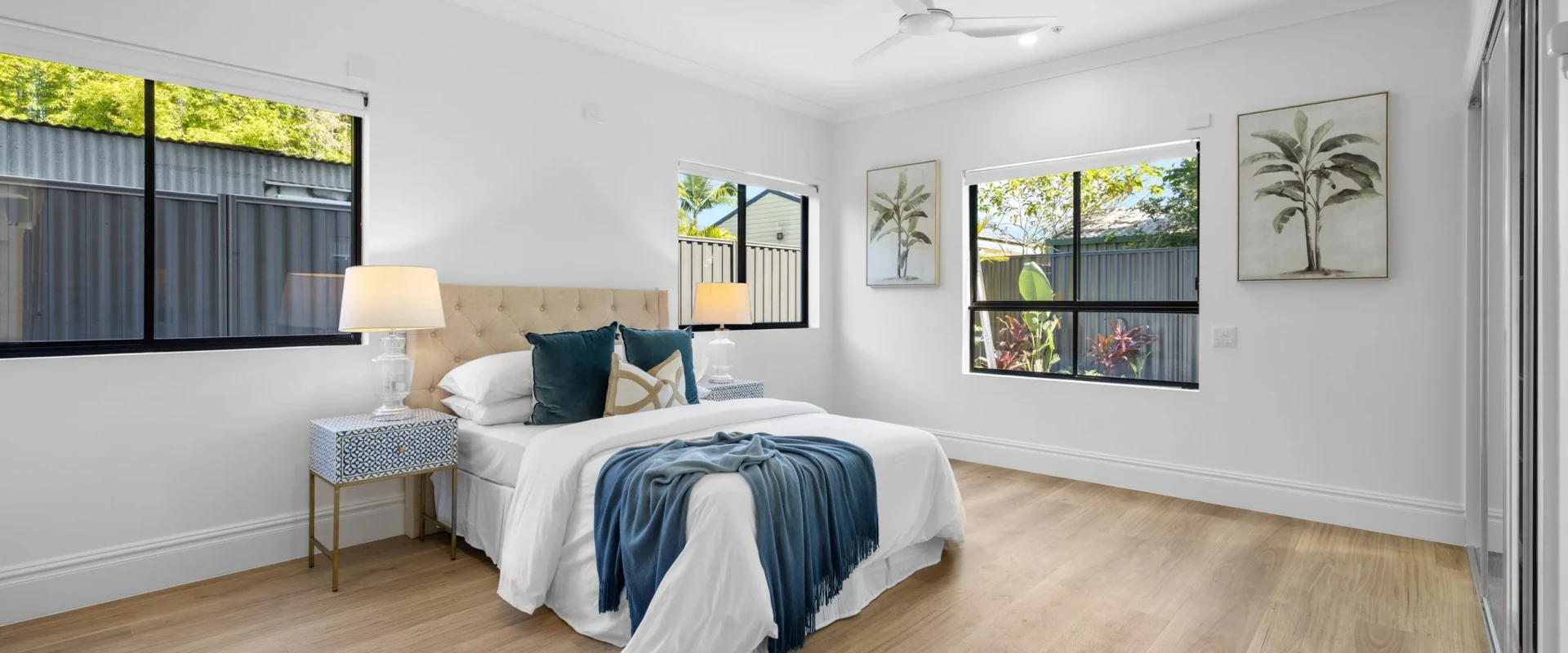
If you’re researching Robust SDA, you’re likely trying to understand what separates it from other Specialist Disability Accommodation design categories, and whether it’s the right fit for a participant with high support needs who also faces safety risks in their home environment. In short, Robust SDA is an NDIS-recognised design category built for durability and resilience without sacrificing comfort or dignity. This guide explains what defines it, who it suits, and what to look for when choosing a delivery partner.
Key Takeaways
- Robust SDA is one of the NDIS SDA design categories, built around durable materials and safety-focused features rather than institutional presentation.
- It’s typically considered for participants whose behaviours of concern, sensory needs, or safety risks could damage standard fittings or fixtures over time.
- Good Robust SDA still looks and feels like a home — durability and residential quality are not mutually exclusive.
- Design decisions should support long-term compliance and reduce disruptive maintenance over the life of the dwelling.
- Getting the design brief right up front avoids costly retrofits and reduces disruption to the participant later on.
What Is Robust SDA and Who Is It Designed For?
Robust SDA is a design category defined within the National Disability Insurance Scheme’s SDA framework, alongside High Physical Support, Fully Accessible and Improved Liveability. It’s intended for participants who benefit from accommodation built with stronger, more resilient materials and fittings — often because of behaviours that place additional stress on fixtures, walls, doors or fittings, or because a safer, calmer physical environment reduces risk for the participant and the people who support them.
The intent isn’t to create something clinical. A well-designed robust SDA home should still feel warm, private and personal — durability is achieved through smarter material choices and considered layout, not through stripping back the things that make a house feel like home.
The Design Features That Define Robust SDA
Because every participant’s needs are different, a robust SDA build is shaped by an individual design brief rather than a single template. That said, the category is generally associated with a few consistent priorities:
- Reinforced walls, doors and fittings in areas where additional resilience is required
- Sightlines and layouts that support supervision and safety without feeling exposed or institutional
- Fixtures and finishes selected for longevity under everyday wear
- Outdoor and communal spaces designed with the same durability standard as the interior
Delivering robust SDA well means balancing these requirements against liveability — a home that’s built to last but still feels like somewhere a person genuinely wants to live. You can see how these principles carry through into specific accessibility considerations in our overview of what raises the bar for SDA accommodation more broadly.
If you’re weighing up your options or want to talk through what a robust SDA build could look like for a specific participant, get in touch with the team — call 1300 767 462 or reach out via the Contact Us page and we can talk through the design brief with you.
Robust SDA and PNP’s Approach to Lifecycle Durability
PNP Group’s building philosophy treats High Physical Support as the design baseline across its SDA work, with universal and adaptable design, residential-quality delivery, and lifecycle durability and compliance discipline as defining principles that carry across every category it builds for, including robust SDA. In practice, that means durability isn’t treated as a one-off specification at handover — it’s considered against how the building will perform, and continue to meet compliance obligations, over years of occupation.
A robust SDA home should be resilient enough to protect its occupant, without ever feeling like it was designed to contain them.
This lifecycle view matters because SDA dwellings are long-term homes, not short-term placements. A build that meets category requirements on day one but degrades quickly, or requires ongoing invasive maintenance, ultimately fails the participant it was designed for. Reviewing examples on our Projects page gives a sense of how design and delivery decisions play out across different dwellings.
How Robust SDA Differs from High Physical Support and Other SDA Categories
It’s easy to conflate SDA categories, but each responds to a different need. High Physical Support is generally associated with participants who require specialist equipment and physical assistance with daily activities, and is the category PNP uses as its design baseline across the board. Robust SDA, by contrast, is primarily about resilience and safety in the built environment itself. Fully Accessible focuses on physical access and mobility, while Improved Liveability targets sensory, intellectual or cognitive needs through layout and features that support independence.
In some cases a participant’s needs may touch more than one category, which is exactly why an individual design brief — rather than a generic build — matters. You can read more about how physical support needs are assessed and designed for in our piece on what High Physical Support SDA really means, which is a useful companion to understanding where robust SDA sits in the broader picture.
What to Look for When Choosing a Robust SDA Builder
Because Robust SDA sits at the intersection of construction, compliance and disability housing design, the builder and delivery team matter as much as the brief itself. Things worth asking about include:
- Experience specifically with SDA compliance requirements, not just general residential or commercial construction
- A design process that starts with the participant’s individual needs rather than a fixed floor plan
- Integrated oversight across design, certification and construction, so nothing falls between separate contractors
PNP Group’s structure — spanning construction delivery through PNP Constructions, compliance and certification, and registered SDA provision — reflects an integrated delivery and oversight model, which is one of the defining principles behind how it approaches Robust SDA and every other design category it builds for. It’s worth noting PNP focuses on the accommodation and property side of SDA; personal care and support services sit with separate providers, so a Robust SDA build is only one part of a participant’s overall support picture.
If you’re a support provider exploring how a Robust SDA build could fit into a participant’s plan, our Support Providers page outlines how that engagement typically works.
Frequently Asked Questions
What makes a home qualify as Robust SDA rather than a standard home?
Robust SDA is a formally recognised NDIS design category, meaning the dwelling must be designed and certified against specific criteria for durability, resilience and safety features, not simply built with sturdier materials on an ad-hoc basis.
Can a Robust SDA home still feel comfortable and homely?
Yes. A well-designed robust SDA build should prioritise privacy, warmth and residential quality alongside durability — the two goals are not in conflict when the design brief is handled properly from the outset.
How is Robust SDA different from Fully Accessible SDA?
Fully Accessible SDA is primarily concerned with physical access and mobility features, while robust SDA is focused on resilience and safety in the built fabric of the home. A participant’s needs may call for elements of both, depending on their individual circumstances.
Who decides whether a participant needs Robust SDA?
SDA category eligibility is determined through the NDIS planning and assessment process, based on a participant’s individual needs. It’s a good idea to discuss the options with your planner, support coordinator or an experienced SDA provider before committing to a design brief.
Does PNP Group build homes specifically in the Robust SDA category?
Yes, PNP Group is proficient in designing all NDIS Design Category’s inclusive of Robust, High Physical Support, Fully Accessible and Improved Liveability.
Getting the Robust SDA Brief Right From the Start
Robust SDA exists to solve a specific problem: giving participants who need a more resilient physical environment a home that still feels like their own, rather than a compromise between safety and comfort. Getting that balance right depends far more on the quality of the design brief and the delivery team than on any single material choice.
Whether you’re a participant, family member, support coordinator or provider trying to work out what a Robust SDA build should include, the starting point is always the same — an honest conversation about the individual’s needs, risks and preferences, translated into a design that a builder with genuine SDA experience can deliver and certify properly.
If that’s the stage you’re at, it’s worth having that conversation sooner rather than later, particularly if an existing home is already presenting safety or maintenance challenges.
To talk through a robust SDA design brief for a participant, call 1300 767 462 or visit Contact Us to get in touch with the team.