Design category
High Physical Support SDA: Homes for Very High Support Needs
SDA homes with a high level of physical access for people with significant physical impairment who need very high levels of support.
What it is
What is High Physical Support SDA?
High Physical Support is one of the design categories of Specialist Disability Accommodation. The NDIS SDA Rules describe it as housing designed to incorporate a high level of physical access provision for people with significant physical impairment and requiring very high levels of support.
It is the category for homes that make very high levels of daily support possible: the NDIA’s examples are a ceiling hoist, a backup power supply, and home automation and communication technology.
Is it right for you?
Who High Physical Support SDA suits
High Physical Support SDA is for participants with significant physical impairment who need very high levels of support at home. The NDIA decides your design category as part of your NDIS plan, using reports from allied health professionals and your goals, and thinks about whether your needs may change in the near future.
If your needs relate more to managing complex and challenging behaviours, the NDIA may look at Robust SDA instead, a category built to be very strong and durable.
Design features
Design features of a High Physical Support home
Every new SDA home must meet the NDIA’s SDA Design Standard. Our homes go above the minimum with features like these.
Ceiling hoists
Reinforced ceilings so a ceiling hoist can be installed, making transfers safer for you and your support workers.
Backup power
A backup power supply, one of the NDIA’s own examples of a High Physical Support feature.
Home automation
Home automation and communication technology. At Apollo Apartments this includes facial and voice recognition.
Height-adjustable kitchens
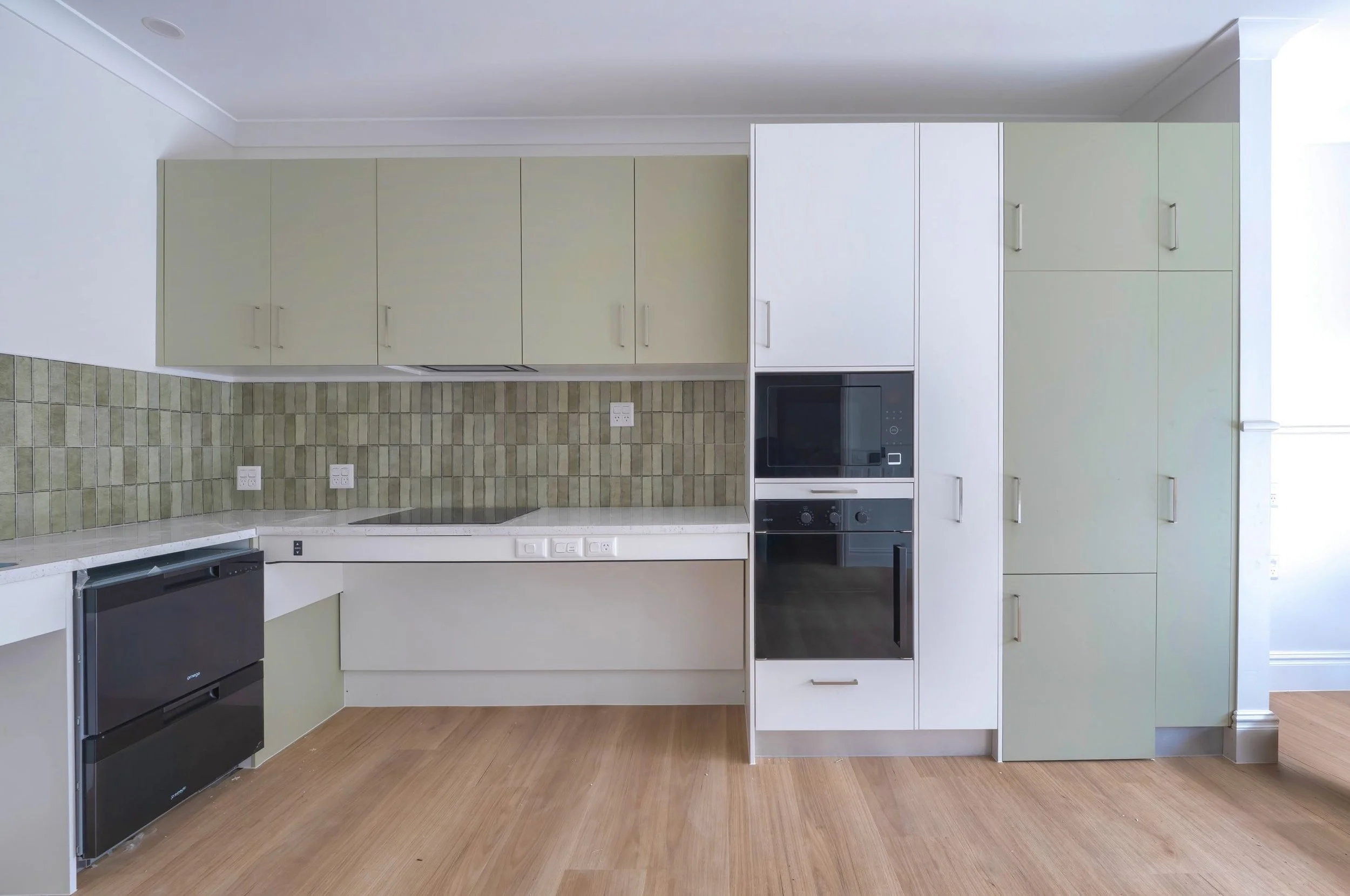
Height-adjustable kitchens, one of the features named in Apollo Apartments’ HIA award citation.
Space for support
Large bedrooms, private ensuites and room for onsite overnight assistance, plus an extra bedroom for therapy, exercise or guests.
Built above standard
Extra ceiling height, solid core doors, engineered fire systems and double-glazed windows for comfort and safety.
Before you choose
What to look for in a High Physical Support home
A High Physical Support home is only as good as what was planned before the walls went up. When you look at a home, check that:
- Ceilings are reinforced for a ceiling hoist, with a clear path between the bedroom and the bathroom.
- There is a backup power supply for the equipment you rely on.
- Access is step-free, with room to move and turn a wheelchair in bedrooms, bathrooms and hallways.
- Home automation and communication technology are built in, not added later.
- The home is certified against the SDA Design Standard for the High Physical Support category in your plan.
Getting the category right matters. A home built to a lower design category won’t have the structural provisions High Physical Support needs, such as hoist-ready ceilings, and adding them later is disruptive for the person living there.
Award-winning
Apollo Apartments, Queensland
Apollo Apartments, designed and built by PNP Constructions, won Specialised Housing of the Year at the 2025 HIA Queensland Housing Awards. The two-storey development meets AS 1428.1 and NDIS High Physical Support standards, with facial and voice recognition technology, height-adjustable kitchens, a therapy room, a multipurpose studio and landscaped outdoor spaces. Its homes have an average energy rating of 8.32 stars.
Apollo is one of our SDA homes and projects, alongside our custom designed Robust SDA villas in Macquarie Fields.
Next steps
How to enquire about High Physical Support SDA
If High Physical Support SDA is in your NDIS plan, or you’re working towards it, register your interest and tell us where you’d like to live and what you need from your home. You can also call us on 1300 767 462.
SDA B.O.O.T.S is a participant-led SDA initiative, so participants and their families shape the home, from location and layout to the final finish. If you have SDA funding for a new home, let us build and design one with you, for you.
Questions
High Physical Support SDA questions
Do I need SDA funding before I can move into a High Physical Support home?
Yes. SDA is decided by the NDIA as part of your NDIS plan, and your plan sets your design category, building type and location. The home you move into must match the category in your plan.
How is High Physical Support different from the other design categories?
It combines a high level of physical access with features for people with significant physical impairment who need very high levels of support. Fully accessible homes have a high level of physical access too, while Robust homes are built to be very resilient and Improved liveability homes add features for sensory, intellectual or cognitive impairments.
Can my support providers be involved before I move in?
Yes. On our projects, Occupational Therapists, Support Coordinators and SIL providers contribute before the design is fixed, so the home works for the way your support is delivered.
What does SDA funding pay for?
SDA funding pays for the home itself, not the support you receive living there. Support such as supported independent living is funded separately, and you pay a reasonable rent contribution to your SDA provider. SDA NDIS funding explained sets out how they fit together.
What should I look for in a genuine High Physical Support home?
Reinforced ceilings for a ceiling hoist between key rooms, backup power, step-free access with room to turn a wheelchair, and built-in home automation. These should be part of the original design and certified against the SDA Design Standard, not added afterwards.
You inspire. We empower.
Let us help guide you home
If you have SDA funding for a new home, let us build and design one with you, for you.
Awards & Recognition